

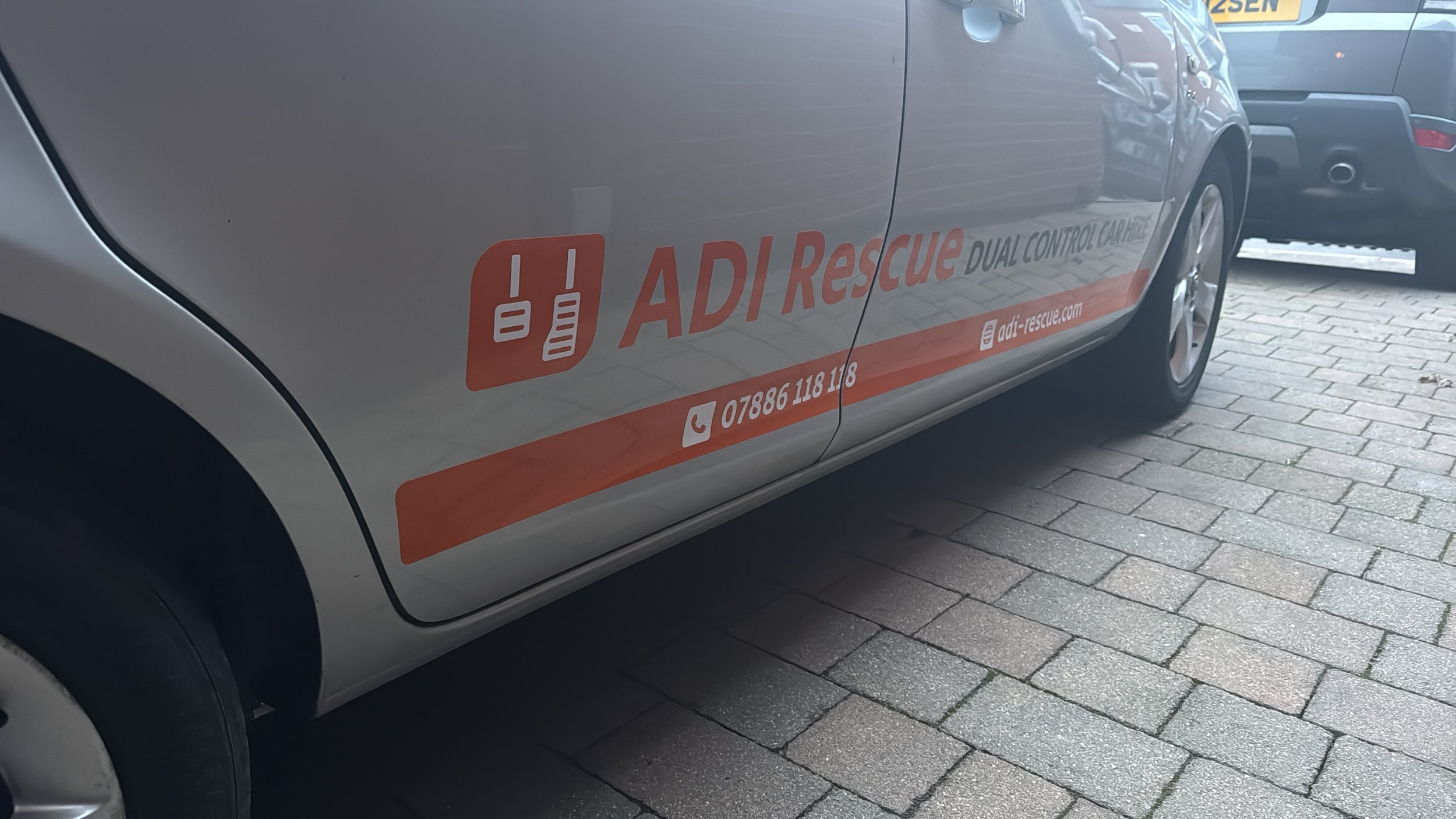
In terms of teaching anyone how to drive, providing a safe and effective learning environment is paramount. Here is where dual control car hire comes into play, providing an indispensable resource for driving instructors and learner drivers alike. check here are equipped with supplementary controls for instructors, enabling them to step in at a moment’s notice if needed. This additional layer of safety not only boosts learner confidence but also aids instructors manage lessons more smoothly, making the process of learning to drive less daunting.
In recent years, the demand of dual control car hire has risen, as driving schools appreciate the multitude of advantages these vehicles present. From enhancing safety to reducing instructor stress, dual control cars are revolutionizing the landscape of driver education. In this guide, we will examine the numerous advantages of dual control car hire, offering insights into what driving instructors and learner drivers should keep in mind when selecting the right vehicle for their needs. Whether you are just starting with driving instruction or wanting to upgrade your fleet, comprehending the features and benefits of dual control cars will help you make informed decisions that improve the learning experience.
Perks of Dual Control Car Hire
Hiring dual control cars provides substantial perks for teaching drivers looking to improve their instruction techniques. By employing vehicles equipped with dual controls, instructors can take proactive measures during lessons, allowing for swift response in critical situations. This feature not only enhances the safety of learners but also cultivates a more controlled learning environment, where instructors can confidently guide students through difficult scenarios.
An additional advantage is the increased comfort and confidence for both the learner driver and the instructor. Learner drivers can concentrate on improving their abilities without the stress of being solely responsible for vehicle control. This nurturing environment encourages learners to involve themselves more actively in the learning process, making it easier to absorb the essential skills needed to navigate the roads safely. Instructors, knowing they can intervene if necessary, can utilize more effective teaching techniques.
Furthermore, dual control car hire can be more budget-friendly for driving schools and individual instructors. Renting these specialized vehicles allows instructors to avoid the significant investment required to purchase a dual control car outright. This flexibility enables driving schools to control their expenses, as they can opt to hire vehicles based on the demands of their lesson plans, whether for short-term or long-term use. This adaptability contributes to the general productivity of the driving instruction process.
Picking the Best Dual Control Car
When selecting a dual control car for your behind-the-wheel lessons, it is essential to think about the type of car that most meets the requirements of both teachers and learners. Factors such as the car's size, ease of handling, and cabin room should be considered. Compact cars may be easier to manageable for inexperienced drivers, while bigger ones can provide extra comfort and visibility. Knowing the typical profile of learners can help in making this decision, making sure that the vehicle selected aligns with their learning style.
One more key aspect to consider is whether to opt for a manual or automatic dual control car. Each has its advantages; auto cars can reduce the cognitive load on learners, permitting them to focus on driving rather than gear changes. On the other hand, teaching in a stick shift vehicle can provide learners with a more well-rounded skill set. Ultimately, the choice should be based on the curriculum, the instructor's expertise, and the requirements of the local driving environment.
In addition, ensure that the dual control car is loaded with the most up-to-date safety features and technology. Modern dual control vehicles often come with state-of-the-art driver assistance systems, enhancing safety during lessons. Features like rear-view cameras, parking sensors, and automated braking systems can significantly contribute to a safe learning experience. Opting for a vehicle with these capabilities not just enhances safety but can also boost confidence in learner drivers, making the learning process more successful.
The Role of Dual Control Vehicles in Learner Driver Education
Dual control vehicles play a key role in the instruction of novice drivers, providing a secure environment for trainees to refine their driving abilities. These cars are equipped with supplementary controls for the teacher, allowing them to act in case of an emergency situation or if the student makes a error. This additional component of safety is notably beneficial for novice drivers who may face unforeseen circumstances on the road, as instructors can act swiftly to avoid accidents, creating a safe learning atmosphere.
Furthermore, using dual control vehicles enhances the training process for students. The existence of additional instructor controls helps to build trust between the learner and the teacher, which is crucial for efficient communication and instruction. Students are more likely to focus on their proficiency when they realize their instructor can help if needed. This confidence encourages students to practice more complex maneuvers without the worry of being put in dangerous situations, promoting a more comprehensive understanding of driving.
Furthermore, dual-control cars facilitate a organized learning process by permitting instructors to direct lessons in the moment. Instructors can easily show particular techniques or skills using the additional controls, making it easier for learners to grasp difficult driving ideas. As a result, this approach not only boosts the immediate safety of driving instruction but also leads to more competent and confident drivers in the future, greatly influencing their overall path in learning to drive.