

Basements are frequently disregarded spaces in our residences, yet they have a crucial role in the general integrity and ease of our living environment. With their closeness to moisture and the earth, basements are prone to moisture intrusion, which can lead to a multitude of issues including mildew, damage to the structure, and reduced home value. If you're experiencing burdened by the persistent moisture in your basement, you're in good company. https://barnes-bertram-2.technetbloggers.de/cellar-waterproofing-myths-dispelled-which-really-works to offer you with necessary tips to efficiently seal your basement and keep it free from water.
Whether you are dealing with minor leaks or major water issues, understanding the basics of basement waterproofing can help you a lot of time, money, and hassle. From spotting the signs that your basement needs urgent attention to exploring different waterproofing methods, we will explore everything you need to know. With the correct approach, you can convert your basement into a protected and practical space. Let’s dive in and discover the ten best basement waterproofing tips that every property owner should take into account.
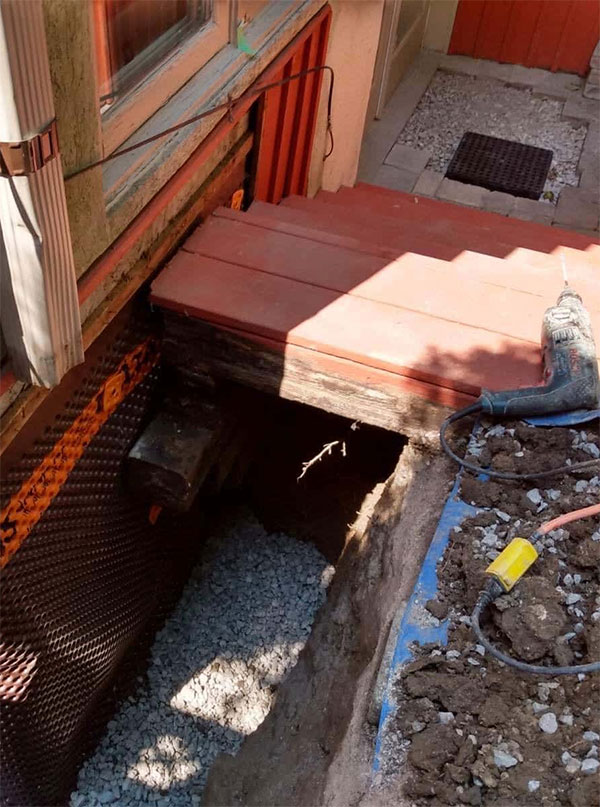
Understanding Basement Waterproofing
Basement waterproofing is a essential aspect of home maintenance that defends your house from liquid harm and damage to the structure. It entails a variety of techniques and solutions designed to ensure water away from your cellar and guarantee that this area stays moisture-free and functional. With the right waterproofing methods in place, property owners can stop mold formation, protect their structural base, and ensure a cleaner living space.
One of the primary reasons for using cellar moisture protection is to safeguard the structure of your house. Moisture infiltration can damage the strength of your home, causing costly repairs and risk of accidents. By addressing moisture issues early on, property owners can prevent extensive damage and protect their property value. Additionally, good waterproofing can help boost your property's overall value, making it a smart financial decision.
There are several waterproofing methods accessible, ranging from internal methods like coatings and pumping systems to external strategies such as drainage systems and slope modifications. Each solution has its own benefits and effectiveness depending on the unique characteristics of the home and the extent of the water issue. Understanding the distinctions between these methods is essential for deciding on the appropriate approach to make your basement dry and protected.
Common Obstacles and Remedies
A notable issue in the waterproofing of basements is determining where water is entering. Homeowners frequently observe moisture but are not clear if it is due to leaks, humidity, or groundwater. A thorough inspection is necessary to discover the root of the problem. Remedies may consist of addressing damaged gutters and downspouts, improving grading around the foundation, or fixing any noticeable cracks. By recognizing the origin, homeowners can adopt the best waterproofing methods.
Another frequent challenge is the efficacy of self-applied waterproofing techniques. Many homeowners try to resolve water problems on their own but may neglect critical aspects, such as drainage systems or sump pumps. Although certain DIY techniques may be beneficial, they can be ineffective in the long run. It is usually better to seek advice from experts who can evaluate the situation as a whole and advise on methods that are appropriate for particular properties. This guarantees the waterproofing solutions are both successful and customized for the particular attributes of the basement.
Ultimately, the care of waterproofing systems can be a struggle for many homeowners. Over time, systems like sump pumps and water channels may need maintenance to remain effective. Regular checks and maintenance help to find potential issues before they escalate. Homeowners should plan routine inspections, especially after heavy rains or flooding, to ensure that their waterproofing systems are functioning properly and to extend their longevity. Keeping thorough documentation of maintenance can also aid in spotting patterns that may require professional attention.
Maintaining a Dry Cellar
To make sure your basement stays dry, it's essential to create a regular maintenance routine. Start by inspecting your basement for any signs of moisture or leaks. Look for stains on walls, damp spots on the floor, or a foul odor, which can indicate hidden water issues. Regularly to check your gutters and downspouts as well, ensuring they are clear of debris and directing water at least six feet away from the foundation. This easy practice can greatly reduce the risk of water pooling near your basement.
Effective drainage systems have an important role in maintaining a dry basement. Consider installing or maintaining a French drain or sump pump if your area is susceptible to heavy rainfall. Routine maintenance of these systems, such as checking the sump pump and ensuring that drains are clear, will help avoid water accumulation. Additionally, be aware of landscaping choices that may contribute to water pooling, such as planting trees or bushes too close to the foundation.
Finally, keep an eye on indoor humidity levels to ensure they remain low. Consider getting a dehumidifier if necessary, especially in more humid climates where moisture can easily build up. Ensure vents unobstructed and ensure that air can circulate freely throughout the basement. By staying proactive with these practices, you can greatly reduce the risk of water issues and help protect your home’s foundation.