

Heat pumps are growing the common choice for homeowners looking to achieve sustainable living while avoiding sacrificing comfort. These versatile systems provide both heating and chilling by transferring heat from the external atmosphere or ground to your home, making them an energy-efficient alternative to traditional HVAC systems. As the world transitions towards greener solutions, grasping heat pumps and their advantages is critically significant.
In this article, we will delve into everything you ought to learn about heat pumps, from how they work to the various types available. We'll respond to common questions about performance, setup, maintenance, and the eco-friendly effects of heat pumps. Whether you're thinking about a fresh setup or merely looking to enhance your existing system, this thorough guide will provide the insights you require to make smart selections that advantage both the planet.
Grasping Heat Transfer Systems
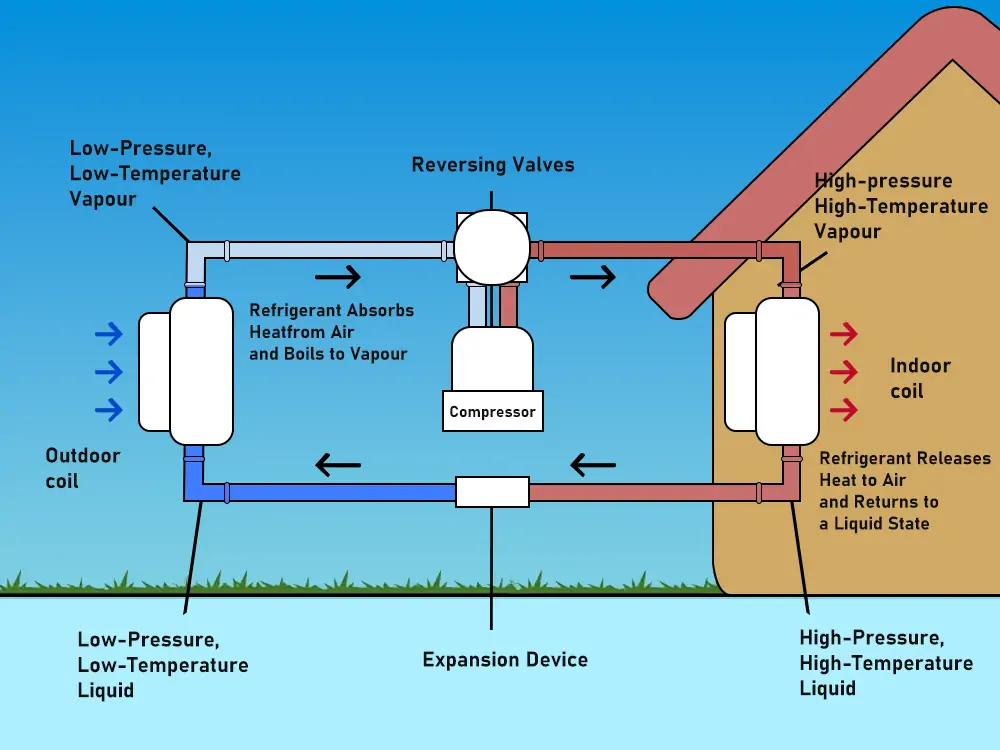
Heat pumps are cutting-edge devices that offer both heating and cooling for houses by moving heat from one place to another location. Unlike conventional HVAC units that produce heat through burning or electrical resistance, heat pumps transfer heat using a heat exchange process, making them an cost-effective solution. They draw heat from the atmosphere or soil and can deliver it to the interior areas in winter, while in the summer season, they can invert the process to chill the house by removing heat from indoors. This two-in-one capability allows residents to maintain comfortable temperatures throughout the year.
Effectiveness is one of the key benefits of heat pumps. Heat Pumps Harrogate Yorkshire can produce two to four times more energy in the form of heat than they consume in electricity, resulting in reduced energy costs and a smaller environmental impact. Heat pumps are also compatible with various energy options, such as renewable energy options, which enhances their eco-friendliness. As worries around climate change grow, many are turning to heat pumps as a progressive choice for home warmth and temperature control.
As heat pump innovation advances, more homeowners are thinking about these units for their houses. The options available today range from air-based heat pumps, which are easier and cheaper to implement, to geothermal heat pumps, known for their efficiency even in harsh weather conditions. Comprehending the different types, their operation, and long-term benefits is important for making an informed decision about whether a heat pump is right for your home.
Benefits of Heat Pumps
Heating pumps offer a variety of gains that make them an appealing choice for homeowners looking to improve their HVAC systems. One of the most notable benefits is their energy efficiency. Compared to conventional heating and cooling solutions, heat pumps use less electricity by moving heat rather than producing it. This operational efficiency leads to lower energy bills, providing long-term cost reductions for residents.
Another remarkable benefit of heat pumps is their flexibility. They can provide both heating and chilling, making them a all-season solution for managing indoor climate. Browse this site -in-one capability means that homeowners do not need separate systems for cold months and summer, simplifying both installation and maintenance. Additionally, many heat pumps are designed to operate in multiple climate conditions, ensuring comfort regardless of ambient temperatures.
Ultimately, heat pumps benefit to the ecosystem. By lessening reliance on non-renewable energy sources for climate control, they help lower greenhouse gas emissions. Many heat pumps also offer renewable energy incentives, such as discounts and tax credits, promoting sustainability. Selecting a heat pump not only improves individual comfort but also supports efforts to address climate change.
Installation and Care Tips
When installing a heat pump, consider engaging a qualified professional who has expertise with the exact model of system you are interested in. Proper setup is crucial for best efficiency and functionality. Make sure to evaluate the dimensions of your home and choose a heat pump that suits your warming and chilling demands. It is also necessary to ensure that the location is clear of clutter and has sufficient ventilation to enable smooth operation.
Regular care is essential to extending the lifespan of your heat pump. Plan yearly reviews and maintenance to keep your system in good condition. During these maintenance checks, professionals will check fluid amounts, maintain the heat exchanger, and inspect components for damage. Homeowners can also perform easy jobs, such as frequently swapping or cleaning filters and making sure external systems are clear of obstructions to boost efficiency.
Lastly, be aware of any signs suggesting that your heat pump may need maintenance or substitution. Sudden rises in electricity expenses, unusual sounds, or irregular warming or cooling could suggest concerns. Addressing these problems promptly can prevent more issues and ensure your HVAC system remains effective. Staying proactive about your system care will help you reap the rewards of its perks for many years.