

As the winter draws near, communities get ready for the obstacles that snow and icy conditions bring to roads and highways. Traveling through severe winter weather requires not only attention from motorists but also a robust infrastructure to provide safety and accessibility. This represents where professional winter road services are crucial. These essential services assist maintain safe driving environments, reduce accidents, and keep commercial enterprises operational during the cold months. Recognizing the importance of winter road services can mean all the change between a well-managed winter season and one fraught with hazard and disruption.
With the right winter road maintenance strategies, like proactive gritting and timely snow clearance, local authorities and businesses can considerably reduce risks associated with icy road situations. Expert winter road services play a essential role in ensuring roads safe for all motorists, supporting emergency service access, and ensuring that our economic activities can proceed uninterrupted despite winter's challenges. In this guide, we will discuss the multiple elements of professional winter road services, how they contribute to public safety, and recommended practices for effective winter maintenance.
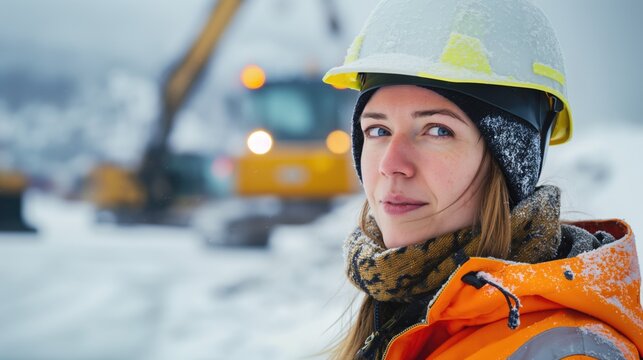
The Value of Expert Winter Road Services
Professional winter road services are vital in maintaining public safety during the winter season. As winter weather events can lead to hazardous driving conditions, these services provide the necessary support to keep roads clear and navigable. From snow removal to icy road treatments, expert services help prevent accidents and promote on-time transit for both individuals and businesses. This proactive approach significantly minimizes the risks linked to winter storms, ultimately boosting safety for all road users.
Furthermore, the timely maintenance of roads through specialized winter services helps local governments and businesses ensure operational efficiency. By making sure that roadways remain clear and safe, these services allow the movement of emergency vehicles, public transport, and essential goods. This is particularly crucial for industries that rely on just-in-time deliveries, as any delay caused by snow or ice can result in significant financial losses and operational setbacks.
Furthermore, the effectiveness of winter road maintenance is also tied to proven practices and advanced technologies. Regular weather monitoring and the application of effective de-icing and anti-icing treatments are key strategies in stopping ice formation and enhancing road traction. As winter road services continue to evolve, the integration of new technologies and best practices secures that these services not only fulfill safety standards but also contribute to environmental sustainability in managing winter conditions.
Proven Methods for Seasonal Road Maintenance
One of the best efficient techniques for cold-weather road maintenance is the use of proactive de-icing and anti-icing treatments. De-icing involves applying salt or other substances to eliminate existing ice on road surfaces. In opposition, anti-icing is a preventative measure that involves treating roads with brine or liquid de-icers before frost or snowfall occurs. This timely intervention creates a barrier that prevents ice from adhering to the pavement, making it more manageable to handle snow events and enhancing total road safety.
Road gritting is another crucial component of maintaining secure winter roads. This process involves distributing a mixture of salt and grit over icy surfaces to enhance grip. Choosing the right grit material is important, as it affects how well vehicle tires can hold the road. Factors such as temperature, anticipated weather conditions, and road traffic play into the scheduling of gritting to maximize effectiveness. Adequate grit application helps to reduce slip and fall accidents, benefiting both drivers and pedestrians.
Utilizing technology into winter road maintenance has shown significant improvements in effectiveness. Weather monitoring systems provide immediate data on temperature, precipitation, and road conditions, allowing teams to make informed decisions about when to activate equipment and materials. Additionally, GPS tracking of service vehicles ensures efficient treatment of critical routes, optimizing resource usage. Click here to find out more enhance the quality of winter road services but also contribute to a more sustainable approach to managing winter hazards.
Future Movements in Seasonal Road Services
As winter weather conditions continue to progress, so too will the approaches and technologies employed in professional winter road services. One significant movement is the increasing reliance on data analytics and predictive modeling. By utilizing advanced weather forecasting and road condition monitoring systems, service providers can foresee and respond to snowfall and ice formation more efficiently. This proactive approach not only enhances safety for motorists but also improves resource allocation, ensuring that equipment and personnel are allocated only when and where they are required most.
Another movement gaining traction is the integration of eco-friendly materials and techniques in winter operations practices. With rising concerns over environmental impacts, many organizations are investigating alternatives to traditional road salt. Innovations such as sugar beet extract or dairy brine, together with intelligent application techniques, can lessen the amount of toxic chemicals released into the environment while still adequately managing ice and snow. This transition towards sustainability reflects a broader promise to safeguarding the environment without jeopardizing road safety.
Lastly, the implementation of self-driving technology in winter road services is on the horizon. The use of smart vehicles equipped with sensors and AI-driven systems can boost the precision of snow clearance and gritting operations. These developments have the potential to reduce human error, reduce operational costs, and significantly improve response times during severe weather events. As technology continues to evolve, the future of professional winter road services looks bright, aiming for a more secure and more effective approach to winter road operations.