

Within the current fast-changing business landscape, the shift away from conventional paper reliant methods to online systems is increasingly important than ever. One among the key contributors in this transformation is the Peppol software, which is changing the way organizations manage invoicing and procurement. As companies seek to simplify their processes and improve productivity, grasping how the Peppol solution functions and its benefits is crucial.
The Peppol framework, short for Pan-European Public Procurement Online, offers a consistent structure for electronic invoicing and file exchange. This software allows businesses to connect smoothly inside the Peppol ecosystem, enabling electronic procurement and invoicing that meet regulatory requirements. As increasing quantity of companies adopting this advanced solution, it is crucial to investigate the top Peppol options available, how to implement them effectively, and the essential features that propel effective invoice processing and adherence.
Understanding Peppol System
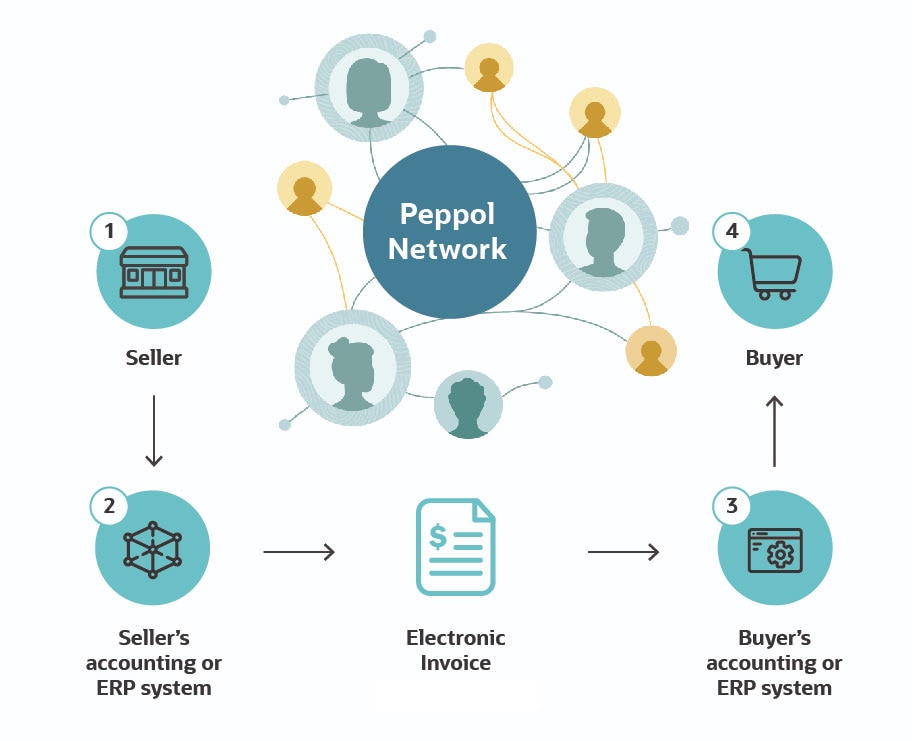
Peppol software is created to facilitate electronic invoicing and streamline business transactions by providing a uniform model for exchanging files. e-facturen functions on the Peppol infrastructure, permitting businesses to communicate efficiently with vendors and partners globally. By utilizing this software, organizations can automate invoice management, cut down on paperwork, and enhance general efficiency.
The central capabilities of Peppol software focuses on Access Points that enable safe transmission of invoices and additional business documents. These Access Points act as interfaces, permitting various systems to communicate effortlessly regardless of their underlying platform. Peppol-facturen met de accountable is vital for businesses looking to participate in international trade or collaborate with various parties.
Adopting Peppol software yields countless benefits, including enhanced compliance with electronic invoicing regulations, improved accuracy in processing invoices, and substantial financial savings. As more businesses realize these advantages, Peppol software is gaining increasingly popular as a essential element in the push for digital transformation, reshaping how organizations manage financial transactions in a safe and efficient manner.
Advantages and Features of Peppol System
The Peppol system offers significant advantages for businesses seeking to simplify their invoice processing and enhance operational efficiency. One major benefit is its ability to facilitate electronic invoicing, which minimizes the reliance on traditional processes. By digitizing invoices, businesses can reduce errors, shorten processing times, and speed up payments. This leads to improved cash flow management and enhances the overall efficiency of financial operations.
Another key aspect of Peppol software is its compliance with international e-invoicing standards. This means that businesses can ensure they are complying with regulations and industry standards in different jurisdictions. With its secure framework, the Peppol system assists protect sensitive financial data during transmission, fostering trust with trading partners and minimizing the risk of fraud. Additionally, streamlined workflows integrated within Peppol software lessen the manual workload on staff, enabling them to focus on higher-value tasks.
Moreover, the Peppol system supports smooth integration with current accounting systems, making implementation easier and minimally disruptive. This interoperability allows businesses to connect easily to the Peppol network and participate in cross-border transactions without extra complexity. As companies gradually move towards digital transformation, the flexibility and scalability of Peppol software position it as a critical tool in navigating the evolving landscape of electronic invoicing and enhancing overall business resilience.
Implementing and Implementing Peppol Solutions
Deploying Peppol solutions in a business requires careful preparation and consideration. First, organizations must assess their current billing processes and identify challenges that Peppol solutions can address. This may involve engaging key personnel to collect insights about existing workflows and communication barriers. A clear plan should then be established, prioritizing goals such as automating invoicing tasks, ensuring compliance with regulations, and enhancing overall business efficiency.
Once the strategy is in place, the integration of Peppol software with existing systems comes next. Businesses typically utilize gateways to link to the Peppol network, which enables the exchange of documents, including bills, in a standardized format. It is crucial to ensure that the Peppol solutions can seamlessly communicate with the accounting or ERP systems already in use. This frequently requires collaboration with IT teams and software providers to customize integration processes and address any potential issues.
In conclusion, education and assistance are critical factors in successfully implementing Peppol solutions. Staff should be adequately trained on the new processes to maximize the benefits of digital invoicing. Continuous support is also required to resolve any issues that occur post-implementation and to ensure the system updated with developments in tech and regulations. By addressing these key areas, businesses can successfully move to Peppol software, streamlining their invoicing operations and setting themselves for future growth.