

Basement waterproofing is a crucial aspect of maintaining your home that often gets overlooked. As property owners strive to create secure and pleasant living spaces, understanding the importance of keeping basements dry has become increasingly vital. If you are facing an existing home or planning new construction, knowing when and how to waterproof your basement can protect your property’s foundation and significantly improve indoor air quality.
In this ultimate guide, we will explore the newest trends and technologies shaping the future of basement waterproofing. From innovative drainage systems to advancements in waterproofing materials, we'll delve into what homeowners should consider when facing the common challenges of basement leaks and moisture. Discover the signs that indicate your basement needs immediate attention, understand the differences between interior and exterior waterproofing, and gain insights into making wise investment decisions that not only enhance your home's value but also protect your family’s health and safety.
Understanding Cellar Waterproofing
Cellar moisture protection is a vital aspect of preserving a property, particularly for those living in locations prone to intense rainfall or flooding. The process entails implementing strategies and measures designed to keep water from infiltrating the cellar space. This not only protects the base of the home but also guarantees a safer living environment by lessening the likelihood of mold and mildew, which thrive in moist conditions. Understanding the need for moisture protection is crucial for property owners to protect their investment and maintain the structural integrity of their property.
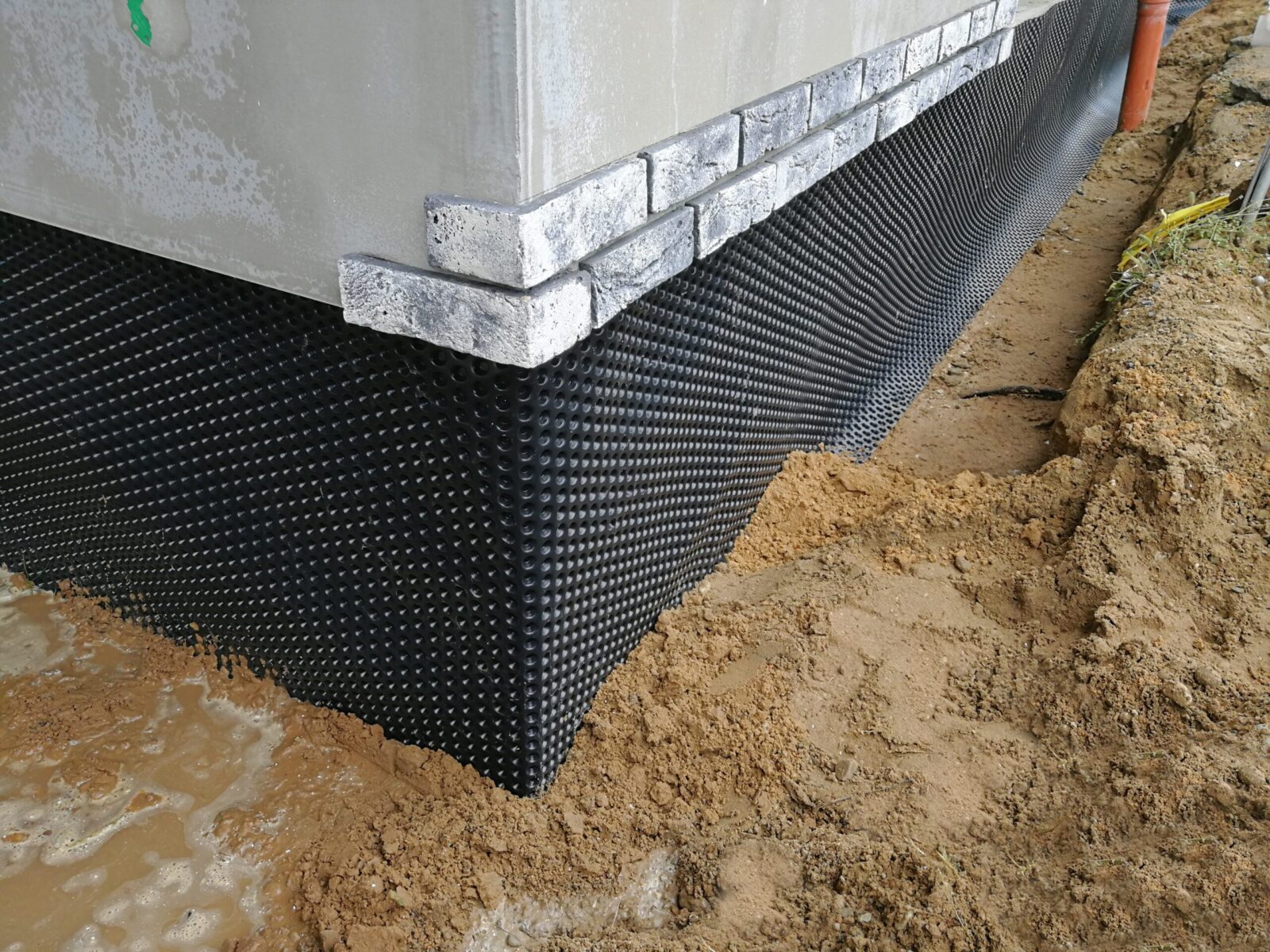
There are various techniques of cellar waterproofing, each tailored to tackle specific problems and conditions. Interior moisture protection focuses on managing water that has previously infiltrated the basement, utilizing solutions such as pumps, drainage systems, and moisture barriers. On the other hand, outside moisture protection aims to stop water from infiltrating in the initial instance, often including contouring the site, installing drainage solutions, and applying waterproof membranes. Both approaches serve distinct goals and are often used in combination to provide comprehensive protection.
The importance of cellar waterproofing extends beyond instant protection against water damage. It can significantly boost the house’s worth and attractiveness. Potential buyers often view a waterproofed basement as a significant advantage, showing that the property has been well-maintained and without moisture-related issues. Additionally, proper moisture protection can improve better air quality indoors, ensuring a safe and pleasant environment devoid of allergens and toxins that can develop from water leakage and mold development.
Opting for the Best Solutions
Regarding basement waterproofing, selecting the suitable method is essential for ensuring the longevity and efficiency of the waterproofing system. Property owners must initially examine their specific needs, which often begin with determining the cause of moisture intrusion. It is crucial to grasp the distinctions between interior and exterior waterproofing solutions, as both has its benefits and challenges. For instance, while interior waterproofing often involves drainage systems and sump pumps, exterior solutions may involve excavating around the foundation to apply waterproof membranes.
Furthermore, understanding the frequent causes of basement leaks can guide homeowners in selecting the appropriate option. Tackling issues such as poor grading, cracked foundations, or inadequate drainage can assist prevent water from accumulating in the basement. basement water leak repairs like French drains or enhancing existing drainage systems can be efficient. Homeowners should also consider the unique traits of their property, including soil type and climate conditions, to determine which waterproofing methods will be the most effective.
Additionally, engaging a experienced basement waterproofing contractor can provide valuable insights into the best solutions adapted to specific circumstances. This partnership can help clarify whether DIY methods are adequate or if professional installation is required. Homeowners should also educate themselves about the long-term maintenance required for the preferred waterproofing system, making sure that they are well-prepared to protect their investment and maintain a dry, healthy basement environment.
Caring for Your Moisture-Proofing System
Regular maintenance of your cellar waterproofing system is essential to guarantee its performance over time. This includes monitoring for any signs of wear or damage, such as cracks in surfaces or floors, which can jeopardize the strength of the waterproofing. It's also important to service and examine gutters and downspouts consistently to prevent water from pooling around the foundation. By executing these activities, homeowners can detect potential issues early and prevent the costly outcomes of water damage.
Another essential aspect of maintaining your waterproofing system is keeping the drainage systems unblocked and functional. This includes ensuring that sump pumps are working properly and that discharge lines are not clogged. Homeowners should test the sump pump periodically by pouring water into the pit to see if it responds. Additionally, putting in covers on window wells can additionally stop debris from getting in and causing blockages, thereby boosting overall waterproofing effectiveness.
Ultimately, it’s recommended to conduct a thorough inspection of your waterproofing system at least once a year, particularly before the rainy season. Homeowners should look for any areas where water may be penetrating and verify that sealants are intact. If major issues are discovered, reaching out to a professional waterproofing contractor can help determine the situation and offer necessary repairs or upgrades. Proper maintenance not only safeguards your basement but also extends the longevity of your waterproofing system.