

Timber floors has long been celebrated for its timeless elegance and natural appeal, transforming spaces into cozy, inviting settings. As trends in interior design continue to change, the allure of wooden flooring remains intact, captivating homeowners and decorators alike. The unique character of wood enhances any room, providing a sense of comfort and refinement that other flooring materials often struggle to achieve.
Selecting the right type of wooden flooring for your home is more than just a design choice; it involves considerations of durability, style, and care. Whether you are drawn to the traditional charm of hardwood or the flexibility of engineered wood, grasping the benefits and characteristics of each choice is essential. This article will delve into the different facets of wooden flooring, from installing tips to maintaining its beauty over the years, ensuring you have all the knowledge needed to make informed decisions and enjoy the elegance of wooden flooring in your home.
Picking the Appropriate Hardwood Floor
In the process of choosing timber flooring for your living space, the initial aspect to consider is the kind of timber. Solid wood varieties such as oak, maple, and shagbark hickory are recognized for their strength and classic aesthetic. Each kind of timber has its distinct grain patterns, hues, and resistance to abrasion, which can greatly affect the total look of your environment. It is essential to evaluate the particular requirements of your home, such as the level of traffic and exposure to moisture, prior to making a choice.
An additional important element is the aesthetic of the flooring. Timber flooring can be offered in a range of textures, from matte to glossy, and patterns like wide planks, herringbone, or chevron. Your choice should coordinate with your house's style while also reflecting your individual taste. For a modern design, softer woods with minimal texture might be more appropriate, while traditional or traditional environments can gain from darker, more textured timbers.
In conclusion, think about the approach to installation that best meets your needs. Traditional timber flooring are nailed or attached down, providing stability but may require a more extensive install method. Composite timber floor provides increased flexibility, as it can be set up over different foundation types and is less susceptible to changes in moisture. Understanding the varieties in methods of installation will help guarantee the lifespan and functionality of your timber flooring.
Benefits and Care of Timber Floors
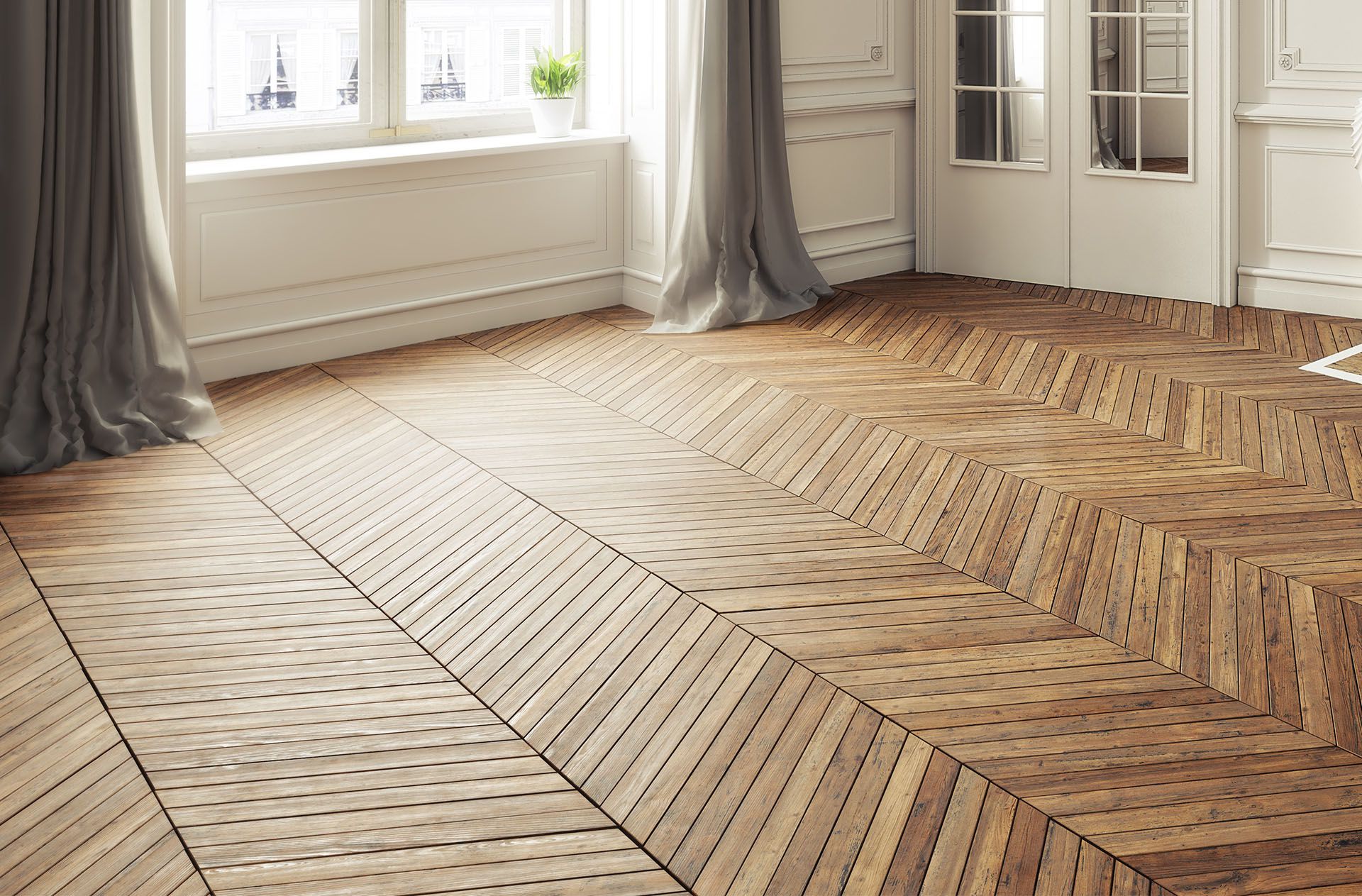
Timber flooring offers a myriad of advantages that make it a favored choice for homeowners. One of the key benefits is its classic appeal, which can elevate the look of any space, adding coziness and charm. Timber floors are also known for their durability, providing a sturdy surface that can endure everyday wear and tear. Additionally, wood has innate insulating properties, which can help regulate a pleasant temperature in your home while lowering energy costs.
Appropriate maintenance is essential to keep timber floors looking their finest. Routine cleaning, using a gentle broom or a vacuum with a hardwood attachment, can keep dust and dirt from damaging the surface. It is also important to use the appropriate cleaning solutions—H2O and a pH-balanced cleaner are usually recommended options. Additionally, applying a suitable finish can protect the wood from wear and enhance its beauty, while refinishing every few years can restore its shine and remove any minor scratches or dents.
When it comes to long-term care, it is imperative to guard wooden floors from liquid damage and excessive humidity. Utilizing area rugs in busy areas and placing mats at entryways can greatly reduce deterioration. Implementing a periodic maintenance routine—such as inspecting for indications of damage or moisture and adjusting humidity levels—will help preserve the condition of your wooden flooring. With proper care, wooden floors can last a lifetime, continuously adding value to your home.
Styles and Trends in Wooden Flooring
As we move into 2025, wooden flooring keeps to evolve, showcasing an variety of styles that appeal to diverse tastes. One prominent trend is the shift towards broader planks, which not just enhance the visual space and also impart a sense of rustic charm. Coupled with a flat finish, these wider boards offer a contemporary yet timeless look, making them ideal for modern interiors. Additionally, the trendiness of textured finishes, such as wire-brushed or hand-scraping, adds depth and character to the wood, allowing homeowners to express their unique style.
Another significant trend is the return of natural wood tones. While dark stains were previously the main choice, lighter shades, including honey and blonde hues, are making a strong comeback. These light neutral colors help create an airy ambiance and can seamlessly blend with various design elements, from Scandinavian minimalism to coastal chic. The emphasis on sustainability further amplifies this trend, as more homeowners seek out hardwood species that showcase their natural beauty without heavy man-made modifications.
The design community is also adopting sustainable options, with reclaimed wood becoming increasingly popular. Learn more does reclaimed wood offer a distinctive aesthetic, but it also contributes to environmental sustainability by repurposing old materials. Alongside this, patterned wooden flooring, such as herringbone and chevron designs, are capturing the attention of design enthusiasts, providing a sophisticated touch that distinguishes itself in both traditional and modern settings. These trends mirror a broader movement towards style and sustainability in home interior design.