

As property owners look for more effective and sustainable solutions for climate control their houses, heat pumps have emerged as a common choice. Amidst rising energy costs and increasing worries about climate change, numerous are wondering whether heat pumps might be the right fit for their needs. This article, we will discuss the benefits and disadvantages of heat pumps compared to conventional heating systems, providing homeowners with the necessary information to make knowledgeable decisions.
Starting with understanding how heat pumps work to analyzing their performance in various climates, we'll discuss everything you need to understand. If you're thinking about putting in a heat pump in a new construction or upgrading an older home, our comprehensive guide will help you navigate the complexities of heat pump technology, installation expenses, and maintenance tips. Join us as we explore this innovative heating option and determine if it truly is the future of home heating and cooling.
Understanding Heat Pump Systems
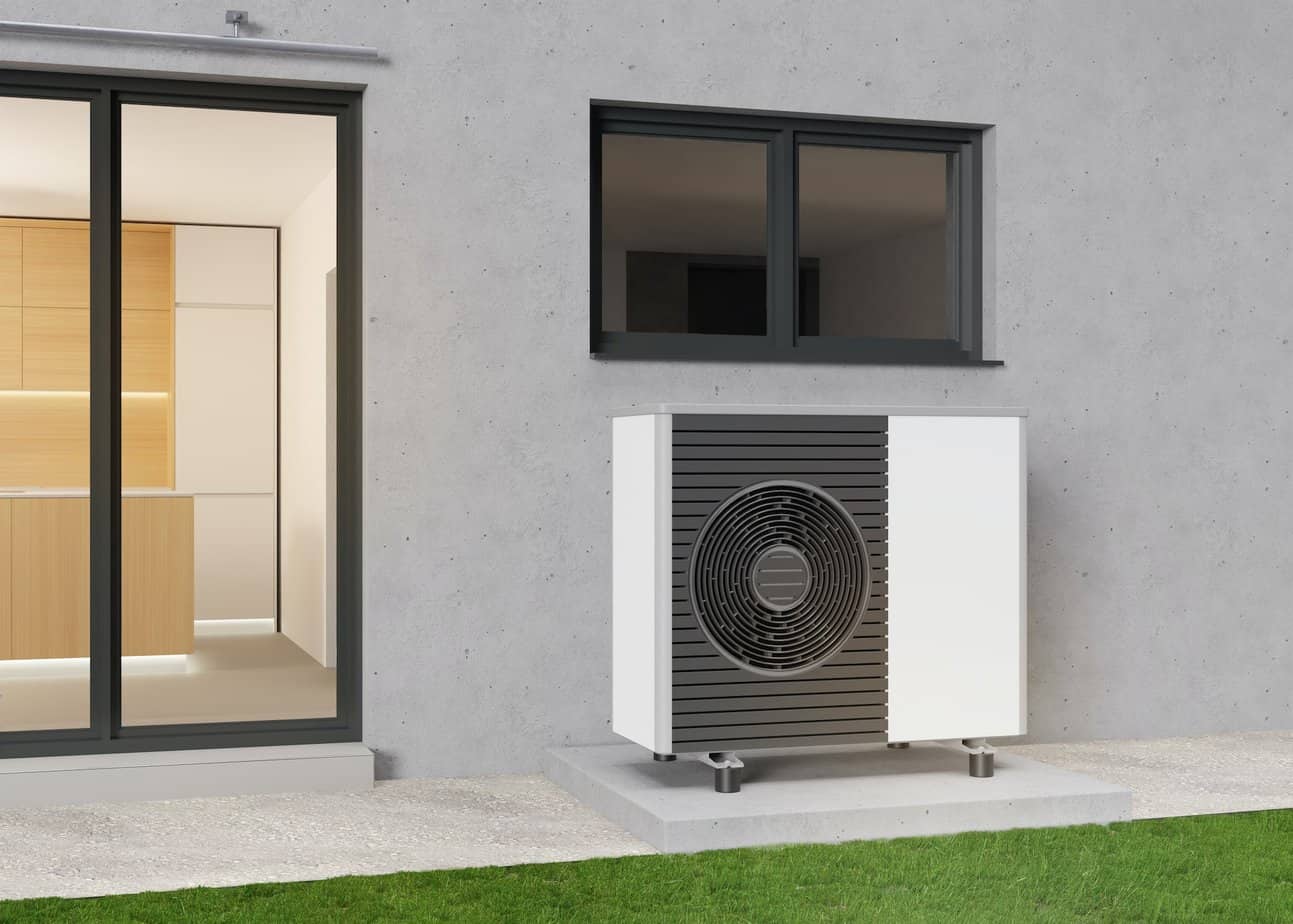
Heat pump systems are cutting-edge systems that provide heating and cooling capabilities for residential spaces, making them multi-functional solutions for all-season climate control. They operate on the principle of transferring heat rather than creating it, which can lead to considerable energy savings. In heating mode, a heat pump pulls heat from the outside air or geothermal sources and sends it inside, while in cooling mode, it exacts heat from the inside and expels it outside. This dual functionality is what sets heat pumps apart traditional HVAC systems, which often require distinct units for heating and cooling.
When it comes to efficiency, heat pumps outperform many conventional heating systems. Traditional furnaces and electric resistance heaters consume considerable energy to produce heat, while heat pumps can provide up to threefold or four times the amount of energy they consume. This is referred to as a coefficient of performance, highlighting how efficiently these systems work. Additionally, advancements in technology have significantly enhanced the performance of heat pumps, allowing them to operate effectively even in colder climates, which was a previous restriction.
In recent years, homeowners have increasingly turned to heat pumps as a more environmentally friendly heating and cooling solution. As worries over climate change grow, the environmental benefits of using heat pumps, including their reduced carbon footprint compared to fossil fuel-based systems, become more apparent. These systems are not only designed to improve energy efficiency but also to minimize reliance on traditional energy sources, ultimately contributing to a more sustainable future. Understanding how heat pumps operate and their benefits is important for homeowners considering a change from traditional heating methods.
Benefits of Heat Pumps
Heat pumps offer a variety of advantages that can greatly enhance the well-being and efficiency of your dwelling. One of the main benefits is their ability to provide both heating and cool air, which makes them a multi-functional choice for homeowners. In mild climates, heat pumps can be used all year long to maintain a stable indoor climate without the need for separate heating and cooling systems, leading to lower setup and maintenance costs.
Another major benefit of heat pumps is their efficiency in energy usage. Compared to standard HVAC systems, heat pumps can circulate more energy than they consume, resulting in lower energy expenses. This is accomplished through the process of moving heat rather than creating it. Homeowners can enjoy significant savings on their bills while also reducing their carbon footprint, making heat pumps an environmentally friendly option for climate-conscious households.
Furthermore, heat pumps are known for their relatively minimal maintenance requirements. With less components than conventional heating systems, they generally experience fewer issues over time. Routine maintenance is still recommended to ensure optimal performance, but issues tend to be more infrequent frequent. This consistency contributes to a longer lifespan for the system, which can lead to a higher return on investment for property owners considering the setup of a heat pump.
Implementation and Care
Installing a heat pump requires careful planning and organization. https://airsourceheatpumpsyorkshire.com/ is crucial to pick the appropriate dimensions and kind of heat pump based on your home's specific requirements. Engaging a experienced installer ensures that the heat pump is accurately dimensioned, positioned, and adjusted for best efficiency. For those thinking about a replacement, factors such as current ductwork and insulation standard should be assessed, as these will impact performance. Proper installation can lead to substantial cost savings and enhanced well-being throughout your home.
Regular maintenance is essential to keeping a heat pump operating smoothly. Homeowners should plan professional check-ups at least a minimum of once a year, during which key components like coils, filters, and refrigerants will be checked and repaired. Additionally, homeowners can play a key role in maintenance by regularly washing or replacing filters and making sure that outdoor units are free from debris. By taking these preemptive steps, you can increase the duration of your heat pump and preserve its performance.
Grasping the common issues that may arise with heat pumps can help in diagnosing problems efficiently. Many homeowners experience lowered efficiency or unusual noises, which can suggest maintenance needs or potential system failures. Staying informed about these signs facilitates for timely actions. Moreover, investing in a reliable heat pump model from well-regarded brands can offer peace of mind and minimize unexpected maintenance costs.