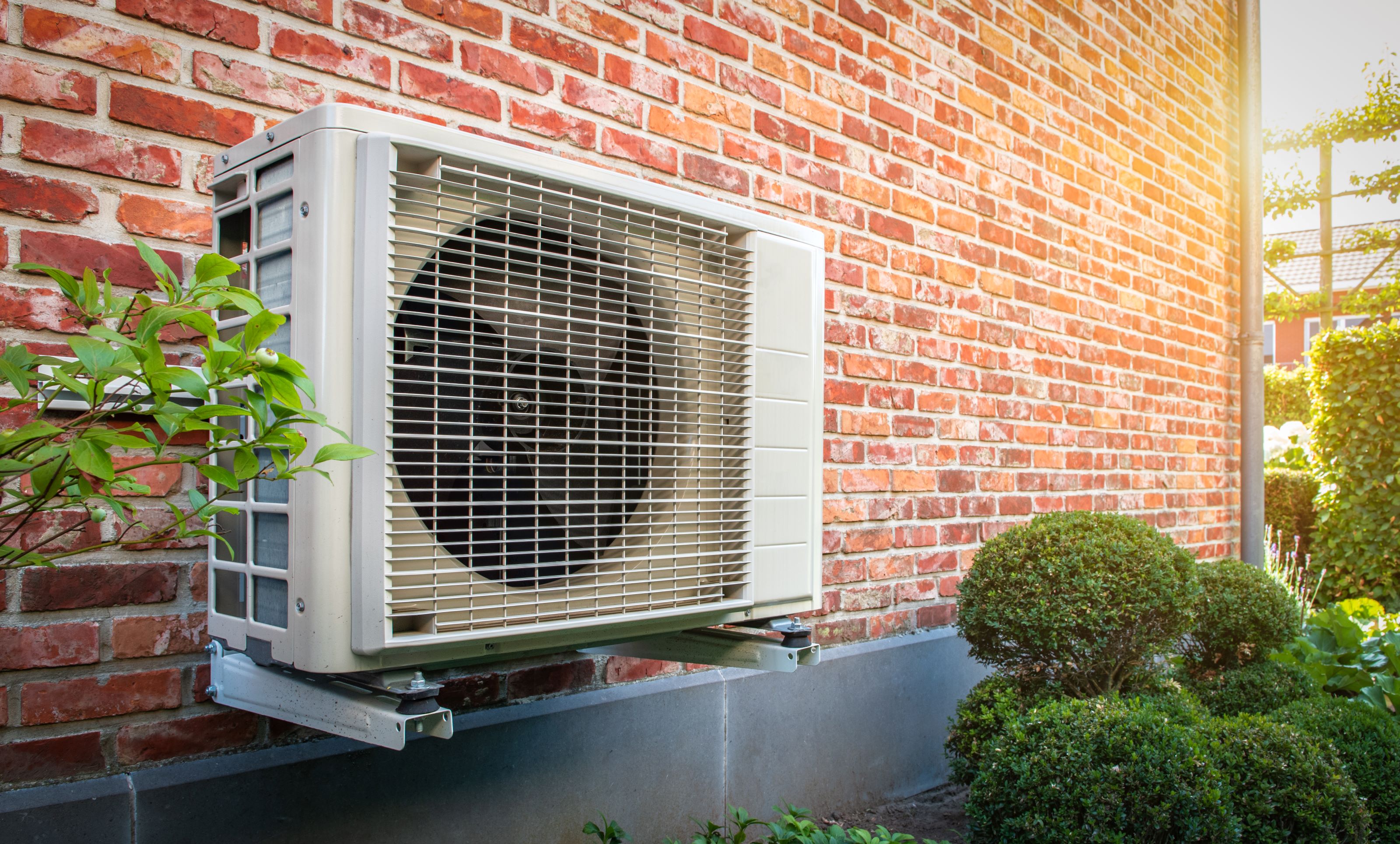
While homeowners look for increasingly effective and environmentally friendly options for heating and cooling their homes, heat pumps have emerged as a common choice. Amidst increasing energy costs and increasing concerns about global warming, a lot of people are asking if heat pumps are the best fit for their needs. Here, we will discuss the benefits and drawbacks of heat pumps versus traditional heating methods, providing homeowners with the key information to make informed decisions.
From understanding how heat pumps function to analyzing their performance in different climates, we'll address all you need to understand. If you're thinking about installing a heat pump in a new build or upgrading an older home, our detailed guide will assist you navigate the complexities of heat pump technology, installation expenses, and maintenance tips. Join us as we delve into this innovative heating solution and assess if it truly is the next step of home heating and cooling.
Comprehending Heat Pumps
Heat pump systems are cutting-edge technologies that provide both heating and cooling for residential spaces, making them versatile solutions for all-season climate control. They operate on the principle of transferring heat rather than producing it, which can lead to substantial energy savings. In heating mode, a heat pump draws heat from outdoor air or ground sources and moves it inside, while in air conditioning mode, it exacts heat from the inside and releases it externally. This two-in-one capability is what distinguishes heat pumps from traditional HVAC systems, which typically require distinct units for heating and cooling.
When it comes to efficiency, heat pumps surpass many conventional heating systems. Traditional furnaces and electric resistance heaters require considerable energy to generate heat, while heat pumps can provide up to threefold or quadruple times the amount of energy they use. This is referred to as a coefficient of performance, demonstrating how well these systems operate. Additionally, advancements in technology have significantly enhanced the performance of heat pumps, allowing them to function effectively even in colder climates, which was a previous hindrance.
In the last few years, homeowners have increasingly turned to heat pumps as a more eco-friendly heating and cooling solution. As worries over climate change grow, the environmental benefits of using heat pumps, including their reduced carbon footprint compared to fossil fuel-based systems, become more noticeable. These systems are not only designed to boost energy efficiency but also to minimize reliance on traditional energy sources, ultimately supporting to a more sustainable future. Comprehending how heat pumps work and their advantages is important for homeowners considering a switch from traditional heating methods.
Benefits of Heat Pumps
Heat pump systems offer a number of advantages that can substantially enhance the comfort and efficiency of your dwelling. One of the key advantages is their capability to provide both heating and cooling, which makes them a multi-functional choice for homeowners. In moderate climates, heat pumps can be used throughout the year to maintain a stable indoor climate without the need for separate heating and cooling systems, leading to reduced setup and maintenance costs.
Another significant benefit of heat pumps is their efficiency in energy usage. Compared to traditional HVAC systems, heat pumps can transfer more energy than they consume, resulting in decreased energy expenses. This is accomplished through the process of moving heat rather than creating it. Residents can enjoy substantial savings on their energy expenditures while also reducing their environmental impact, making heat pumps an environmentally friendly option for climate-conscious individuals.
Moreover, heat pumps are known for their relatively low maintenance requirements. With fewer moving parts than traditional heating systems, they typically experience fewer problems over time. Regular maintenance is still advised to ensure optimal performance, but problems tend to be less frequent. This reliability contributes to a greater lifespan for the equipment, which can lead to a greater return on investment for those considering the installation of a heat pump.
Installation and Maintenance
Implementing a heat pump demands thorough thought and preparation. It is important to choose the best size and type of heat pump based on your home's particular requirements. Engaging a experienced installer ensures that the heat pump is correctly sized, placed, and calibrated for best efficiency. For those planning for a retrofit, factors such as preexisting ductwork and insulation effectiveness should be evaluated, as these will impact performance. Proper installation can lead to significant cost savings and enhanced comfort throughout your home.
Regular maintenance is important to maintaining a heat pump running efficiently. Homeowners should book qualified check-ups at least once a year, during which key parts like coils, filters, and refrigerants will be checked and repaired. Additionally, homeowners can perform a critical role in maintenance by frequently cleaning or replacing filters and confirming that outdoor units are free from obstructions. By taking Air Source Heat Pumps Leeds Yorkshire , you can increase the lifespan of your heat pump and preserve its performance.
Understanding the frequent issues that may arise with heat pumps can help in diagnosing problems efficiently. Many homeowners experience reduced efficiency or odd noises, which can signal maintenance needs or possible system failures. Staying aware about these signs enables for timely actions. Moreover, investing in a trusted heat pump model from reputable brands can offer peace of mind and minimize unexpected maintenance costs.