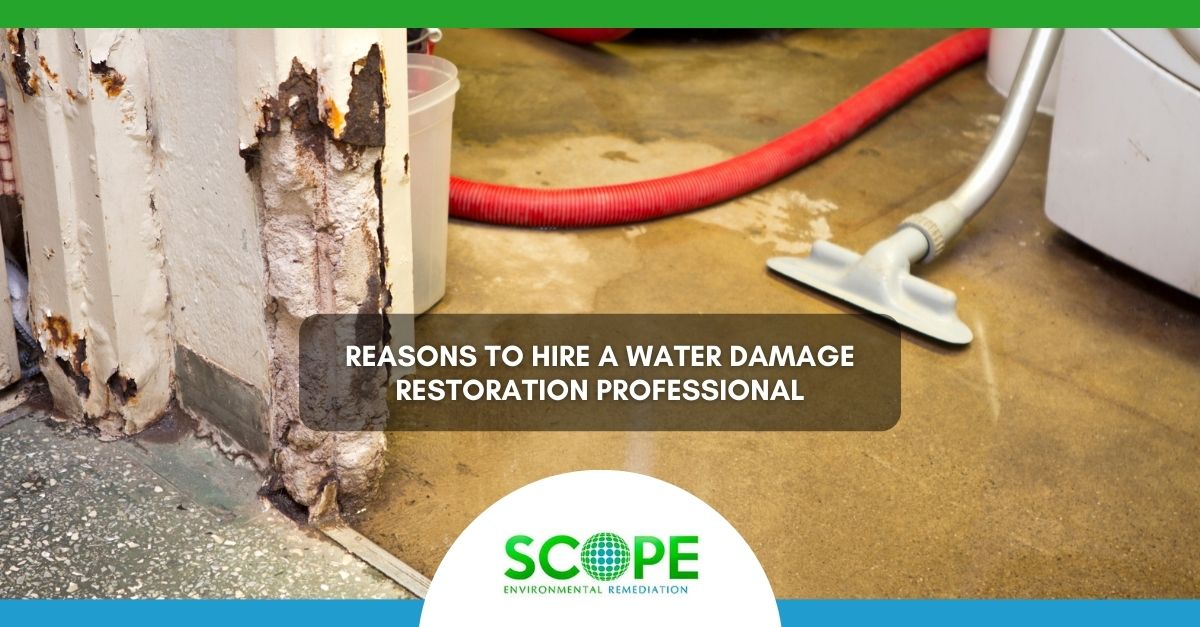
Flood damage can strike unexpectedly, putting homeowners in a state of distress over the damage it may bring. Whether due to a leaking pipe, an inadequate roof, or heavy storms, the aftermath of water damage requires prompt action and a thorough strategy for rebuilding. Recognizing immediate actions post-water damage is crucial for minimizing losses and preventing further complications like mold growth and structural issues.
This article serves as a thorough guide to reviving properties post-water damage, going past mere cleanup techniques. We will examine common causes of water damage in homes, the signs that indicate a need for emergency restoration, and the critical importance of professional intervention. By the end, you will be armed with the information to handle water damage effectively and to defend your property from future occurrences.
Swift Steps Following Water Damage
When flooding occurs in your home, the initial step is to ensure safety. Before entering the affected area, check for potential electrical hazards and ensure that the power is turned off. If the water is from a clean source, such as a broken pipe, you can proceed with caution. If the water is from a potentially contaminated source, such as heavy rainfall or a drain backup, it is wise to wait for professionals. Wear safety gear like gloves and footwear to avoid contact with dangerous substances.
Following that, it is important to start the water removal process as promptly as possible. Use floor cleaners, containers, and towels to soak up as much liquid as you can. If the damage is significant, consider renting or purchasing a pump or a wet/dry vacuum to speed up the process. Time is of the essence, as prolonged exposure to moisture can lead to further damage and mold growth. Open windows and doors to facilitate airflow and begin the drying process.
Once the initial removal of liquid, assess the extent of the damage to your belongings and property. Identify items that cannot be salvaged and take out them from the area. For household items and personal items, dry them out immediately and check for damages. Take note of the affected areas, as this information will be useful for insurance claims and professional restoration services. Document the damage with pictures, as this will aid in your restoration efforts and communicate with your insurance provider efficiently.
Comprehending Water Harm Restoration
Water damage rehabilitation is a critical process that involves restoring a premise to its original condition after it has undergone water infiltration. This can result from multiple sources, such as burst pipes, leaks, or natural disasters. Grasping mold remediation mesa az involved in this rehabilitation process can help homeowners perform suitable actions quickly and efficiently, lessening damage and staving off further problems.
One of the primary steps in water damage restoration is to perform a thorough inspection of the impacted areas. Experts assess the extent of the damage, determining the source of water and the degree of humidity present. This evaluation permits restoration experts to devise a detailed restoration plan that deals with prompt cleanup needs, such as liquid removal and dehydration, as well as ongoing repairs that may be necessary for the structure and materials of the home.
An important aspect of efficient moisture damage rehabilitation is the focus on stopping fungus growth. Mold can form within one to two hours of moisture exposure, leading to health hazards and further damage to the premise. Implementing drying strategies, moisture reduction, and keeping track of moisture levels are essential components of the rehabilitation method. By focusing on these actions and partnering with knowledgeable professionals, homeowners can defend their places against the unseen dangers of untreated water damage.
Avoiding Future Fluid Loss
Preventing upcoming water destruction initiates through routine upkeep of your home’s pipe and roofing systems. Examine hoses, faucets, and appliances such as cleaning machines and fluid heaters for leaks or signs of rust. Pay particular focus to spots under sinks and behind appliances, where leaks can commonly go undetected. Additionally, ensure your roof is in acceptable condition, as a carefully looked after roof can stop rainwater from trickling into your home.
Adequate drainage around the property is essential to guide water away from the foundation. Ensure gutters and downspouts are unblocked of debris and lead water at least six feet from the home’s foundation. Think about putting in a sump pump in your basement if you reside in a flood-prone area. Landscaping can also play a role; grading your yard to slope away from your home helps to manage surface water runoff efficiently.
Lastly, think about purchasing water detection devices that can notify you to leaks ahead of they can result in serious damage. These devices can be placed in locations prone to water damage, like near fluid heaters or under sinks. Coupled with a preventive approach to home maintenance and regular inspections, these preventive measures will significantly reduce the chance of H2O damage in the home.