

Rock exteriors add unfading beauty and elegance to any property, whether it's a classic stone floor in a historic building or sleek granite countertops in a contemporary kitchen. However, over time, the wear and tear from daily life, moisture, and environmental factors can dull their luster and lead to serious damage. This is where stone refinishing comes into play. Understanding the process and importance of restoring stone can not only enhance the beauty of your home or establishment but also significantly increase its value.
In this comprehensive guide, we will delve into successful restoration techniques, explore the benefits of specialist support, and provide insights on how to maintain the luster of your stone surfaces. From identifying usual signs that indicate your stone needs attention to learning about specific restoration methods for materials like travertine and travertine, we aim to equip you with the knowledge and tools necessary to bring your stone back to life. Whether you are a resident seeking to revive a tired floor or a commercial proprietor wanting to impress clients with spotless surfaces, this guide will serve as a valuable resource on the path of stone restoration.
###
Natural stone restoration is the process of rejuvenating natural stone surfaces to maintain their appearance and utility. Over time, stone can become lost its shine, damaged, or stained due to constant activity, the elements and improper maintenance. Restoration techniques involve various strategies tailored to different types of stones, ensuring that the original aesthetics and characteristics are preserved. Grasping the significance of stone restoration can help property owners protect their investments while enhancing the overall look of their spaces.
One of the main motivations to engage in stone restoration is to stop further damage. Consistent maintenance and swift restoration help address minor issues before they grow, which can save significant costs in the long run. Additionally, restored https://stonemasonworcestershire.co.uk/ are more visually appealing but are also more clean, as cleaning removes contaminants and germs trapped within the stone. The restoration process can revive the natural luster and shine of the stone, making it more attractive to both property managers and guests.
Expert stone restoration services employ innovative techniques and state-of-the-art equipment to achieve excellent results. From refinishing and honing to protecting and repairing chips, experts understand the details of various types of stones and the best practices to use. By trusting professionals with stone restoration, landlords can ensure that their investment is protected, enhancing both the look and value of their property.
Professional vs. Do-It-Yourself Repair
When it comes to stone restoration, the decision between engaging a specialist or attempting a do-it-yourself approach can significantly impact the results. Professionals possess the required training, experience, and specialized equipment to address a range of rock types effectively. They can provide tailored solutions for issues like etching, staining, and surface wear, ensuring a superior finish that preserves the stone's integrity. In contrast, do-it-yourself restoration often relies on trial and error, which may lead to inferior results or, even worse, irreversible damage to the rock surface.
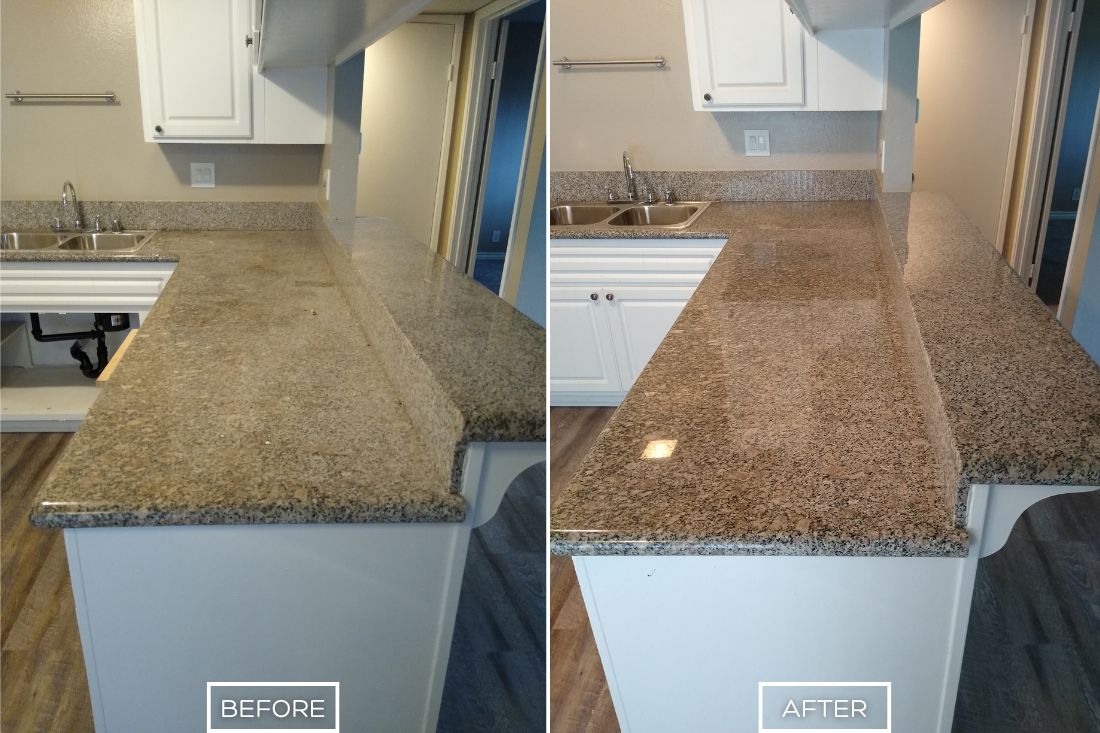
Moreover, expert restorers understand the subtleties of different stone materials and their specific care requirements. They utilize high-grade products and techniques that are not typically available to the general public. This expertise not only ensures that the restoration process is conducted correctly but also maximizes the lifespan of the restoration. Homeowners may underestimate the complexity involved in stone restoration, leading them to make costly mistakes that can compromise the beauty and durability of their surfaces.
While DIY projects can be satisfying and cost-effective, they include inherent risks, especially when dealing with precious materials. Unintentional damage from inadequate techniques can lead to more costly repairs in the long run. Thus, for major restoration projects, especially in luxury properties, turning to a professional can be a valuable investment, ultimately enhancing the property's look and value while providing assurance.
Care and Maintenance Advice
To guarantee the lifespan of your restored stone surfaces, regular cleaning is crucial. Use a pH-neutral stone cleaner to avoid harmful effects on the material. Steer clear of harsh chemicals or rough materials that can mark or dull the finish. Wipe up spills immediately to prevent staining, and wipe down frequently to keep surfaces looking immaculate. Establish a regular schedule for cleaning to make maintenance effortless.
It is also necessary to use a proper sealant to your stone areas after restoration, as this protects against future staining and damage. Depending on the type of stone and the surroundings, resealing may be necessary every one to three years. This forms a barrier that repels water and grime, making cleaning easier and assisting maintain the stone's appearance.
Finally, be mindful of the items or things placed on your stone surfaces. Use mats, pads, or protective items to prevent scratches and dents. During major events or renovations, think about covering your stone with guarding covers to protect it from dust and damage. By following these care instructions, you can preserve the aesthetic and integrity of your stone for years to come.