

In the realm of construction, the strength and integrity of a edifice rely heavily on its base. One of the crucial services that underpin this aspect is foundation piling. These piling services are vital for providing the necessary support, especially in construction projects where soil conditions are not ideal. This article aims to be your complete guide to the world of piling services, exploring their importance, applications, and how they contribute to building more robust foundations.
As building endeavors evolve, so do the challenges associated with diverse ground conditions and building requirements. Understanding when and why piling is needed can prevent costly setbacks and ensure project success. From identifying signs that indicate a need for piling to choosing the right type for your particular project, we will delve into the nuances of this vital component of construction, shedding light on the different techniques and considerations that define successful piling practices. Join us as we explore how piling services can enhance your construction needs and lay the groundwork for long-lasting structures.
Grasping Support Services
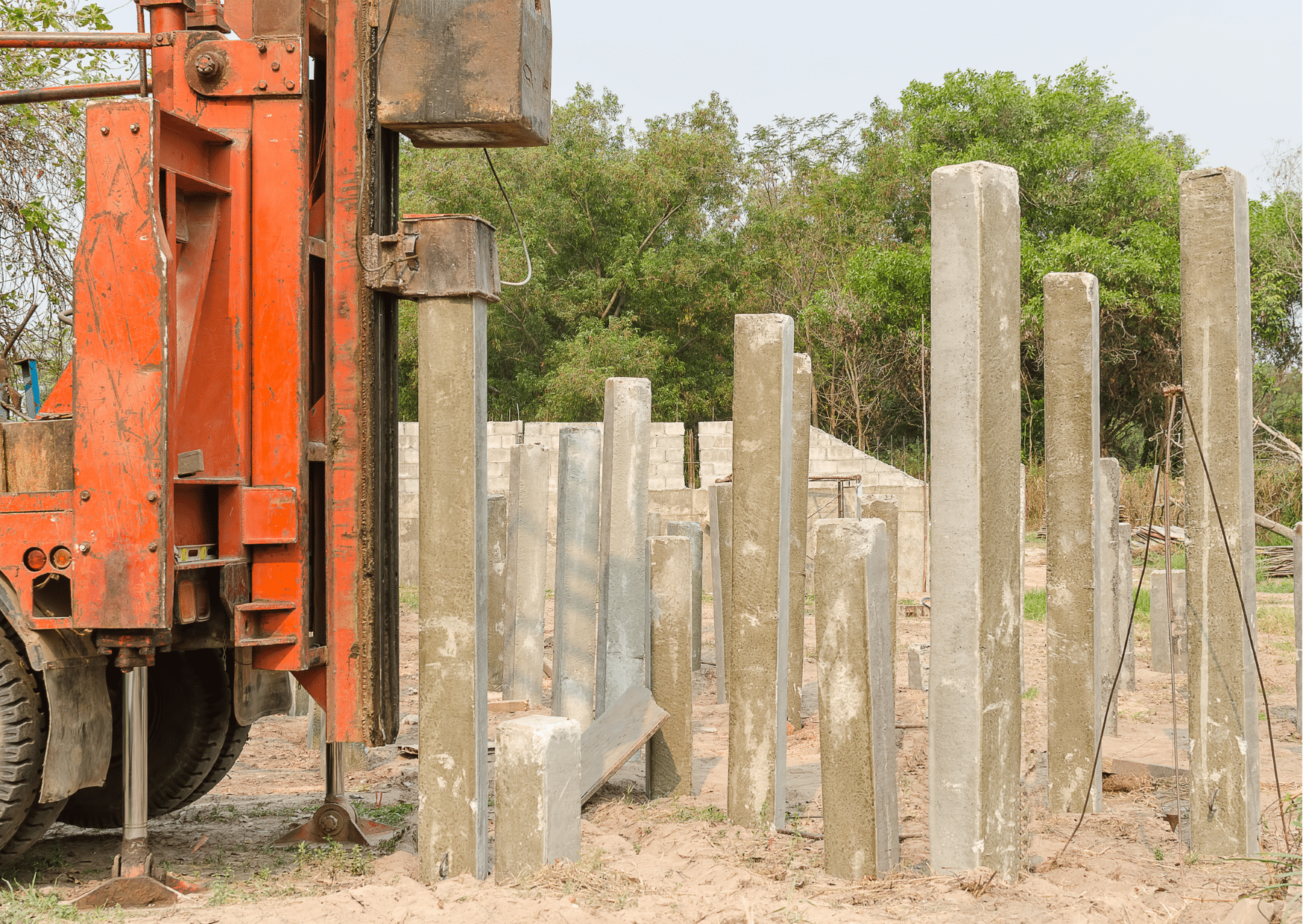
Support services are tailored building methods used to establish substantial bases for multiple structures. They involve the setup of supports, which are extended, thin posts forced or excavated far into the earth to hold up buildings, crossings, and additional facilities. Piling is crucial in building undertakings where traditional bases may not provide sufficient support due to suboptimal ground features or different load demands. By transferring the load of the building to more profound, further secure soil or bedrock, piling solutions ensure that the structure remains safe and reliable over the long term.
The importance of foundation services goes further than just structural soundness. They play a vital part in mitigating threats linked to building on challenging terrains or in locations susceptible to water damage, mudslides, or additional earth-related problems. A carefully planned support approach can adapt to the distinct features of the location, including earth type, humidity conditions, and pressure abilities. This flexibility is essential for the success of construction projects, notably in city areas where land is restricted and location features can differ dramatically.
Selecting the appropriate support system demands evaluating the exact demands of the construction task, including the category of structure being constructed and the environmental features found at the area. Professional support experts utilize advanced technology and machinery to analyze earth features and develop effective piling systems. With their knowledge, they can advise the best foundation approach, whether it be driven piles, ensuring that the foundation is both effective and resilient.
Choosing the Appropriate Piling Solution
Choosing the right piling option is vital for the outcome of every construction venture, as it directly influences foundation stability and long-term strength. The decision often depends on several factors, such as soil type, load-bearing needs, and the environmental conditions at the construction location. Conducting detailed ground investigations can provide valuable information into the subsurface environment, helping engineers and contractors make informed decisions.
Different types of piling techniques, such as hammered piles, bored piles, and micropiles, address specific project demands. For illustration, driven piles are generally effective in dense soils and in scenarios requiring quick installation, while bored piles can be preferable in confined spaces or where noise restrictions are in place. Understanding the distinctions and uses of each piling method affirms that the selected solution corresponds with both the technical requirements and project timelines.
Cost considerations also play a crucial role in choosing the right piling strategy. Budget limitations may limit options, but opting for the cheapest solution can lead to higher long-term maintenance costs if the foundation is not properly designed. It's important to balance the initial investment against the expected lifespan and stability of the foundation, ensuring that the selected piling system not only meets the current project needs but also contributes to the overall worth of the construction.
Piling Installation Procedure & Optimal Practices
The pile instillation process begins with thorough site preparation and site analysis. Engineers and contractors should assess soil conditions, which influence the choice of pile type and depth. As soon as Mini Piling Bassetlaw Nottinghamshire is adequately prepared, the following step includes positioning the piling machinery, making sure it is secure & able of managing the load demands of the task. Proper location readiness also includes the building of entry paths for machinery and ensuring the security of employees during instillation.
During the installation, it is essential to follow optimal practices to ensure the integrity and functionality of the piles. The instillation method, be it hammered or bored, should be chosen based on soil type, wetness content, and job requirements. Monitoring the positioning plus elevation of the supports throughout the installation procedure is vital for achieving optimal foundation integrity. Additionally, implementing security protocols, such as safety barriers plus appropriate signage, guarantees a safe operational environment for all staff engaged.
After instillation, proper records plus inspections are essential to confirm that the piling has been installed accurately and meets all design standards. Routine surveillance of the piles plus surrounding soil can assist spot any possible issues, such as settling and shifting, early on. By following to Mini Piling Nottinghamshire , building teams can enhance the durability plus strength of buildings, ultimately leading to a successful project.